
Custom Embroidery Files Prepared for Your Fabric and Design
A successful embroidery design begins with decisions about stitch placement. Lettering must remain readable, and the stitch structure must suit the fabric beneath it. Embroidery Digitizing Studio converts your artwork into embroidery files for machine stitching. Each design is prepared according to its intended size and garment placement, with fabric characteristics considered throughout the process. We work with embroidery businesses and individual customers. Fixed pricing and free revisions are available, with same-day or rush service offered according to project requirements.
Request a Quote

5-Star Rated Service

Fast Turnaround

Flat-Rate Pricing

Unlimited Revisions

What Is Embroidery Digitizing?

Embroidery digitizing is the process of translating artwork into instructions that an embroidery machine can follow. Those instructions define where stitches are placed and the order in which the design is sewn.

A digital image contains visual information. An embroidery file requires additional decisions about stitch types, density and the movement between design elements. Underlay provides a foundation beneath the visible stitching.

The intended result also depends on the material. A logo prepared for a structured cap may require different settings when embroidered on a stretch polo shirt.

For this reason, the final size and fabric should be confirmed before digitizing begins.

Digitizing Based on the Intended Use

Logo and Left Chest Embroidery

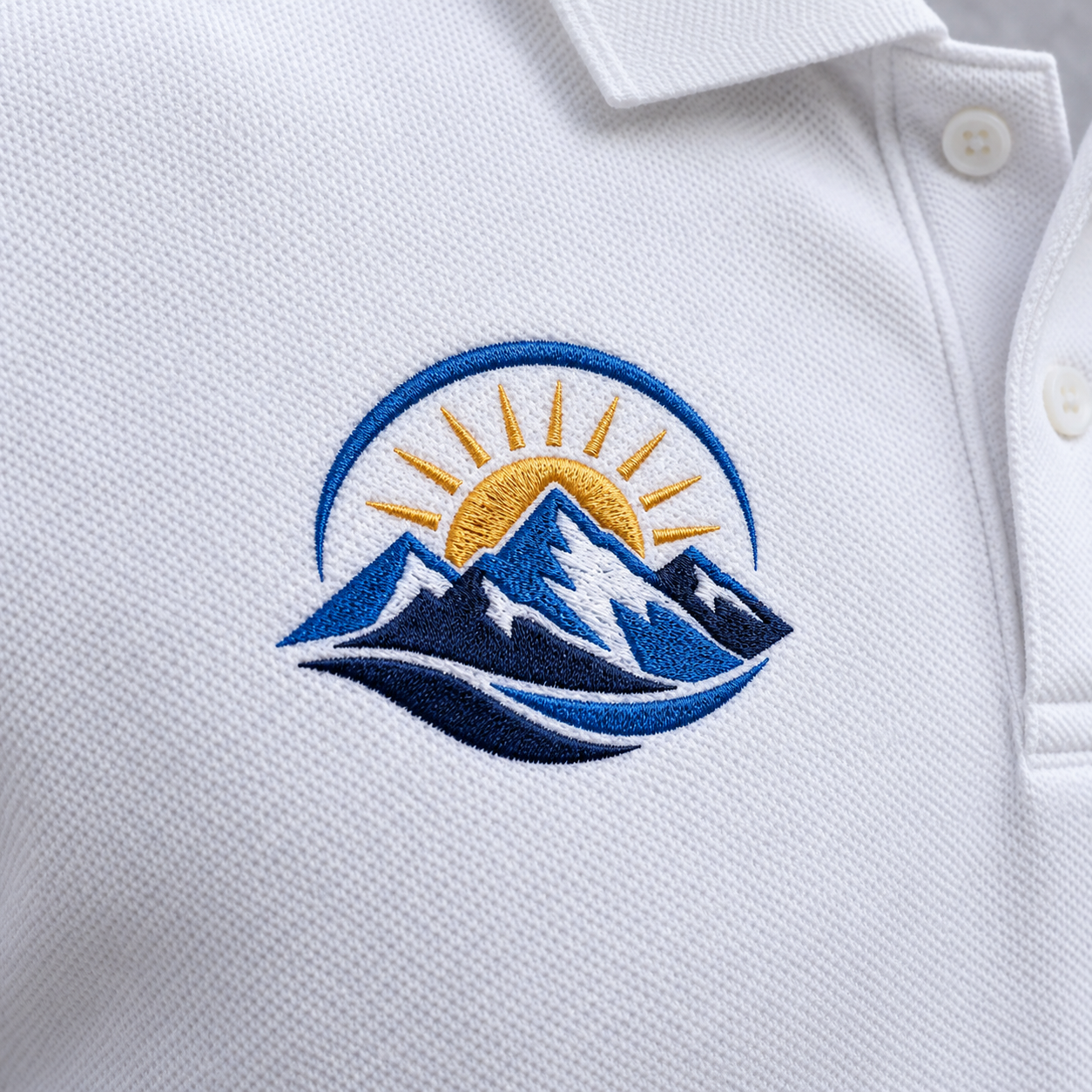
Small logos require careful treatment because detail becomes harder to reproduce as the design shrinks. Closely spaced letters may need adjustment, while fine outlines sometimes require simplification. We prepare left chest designs for workwear and everyday clothing. Attention is given to readable text and a stitch sequence suited to the design.
Cap Embroidery

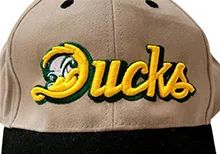
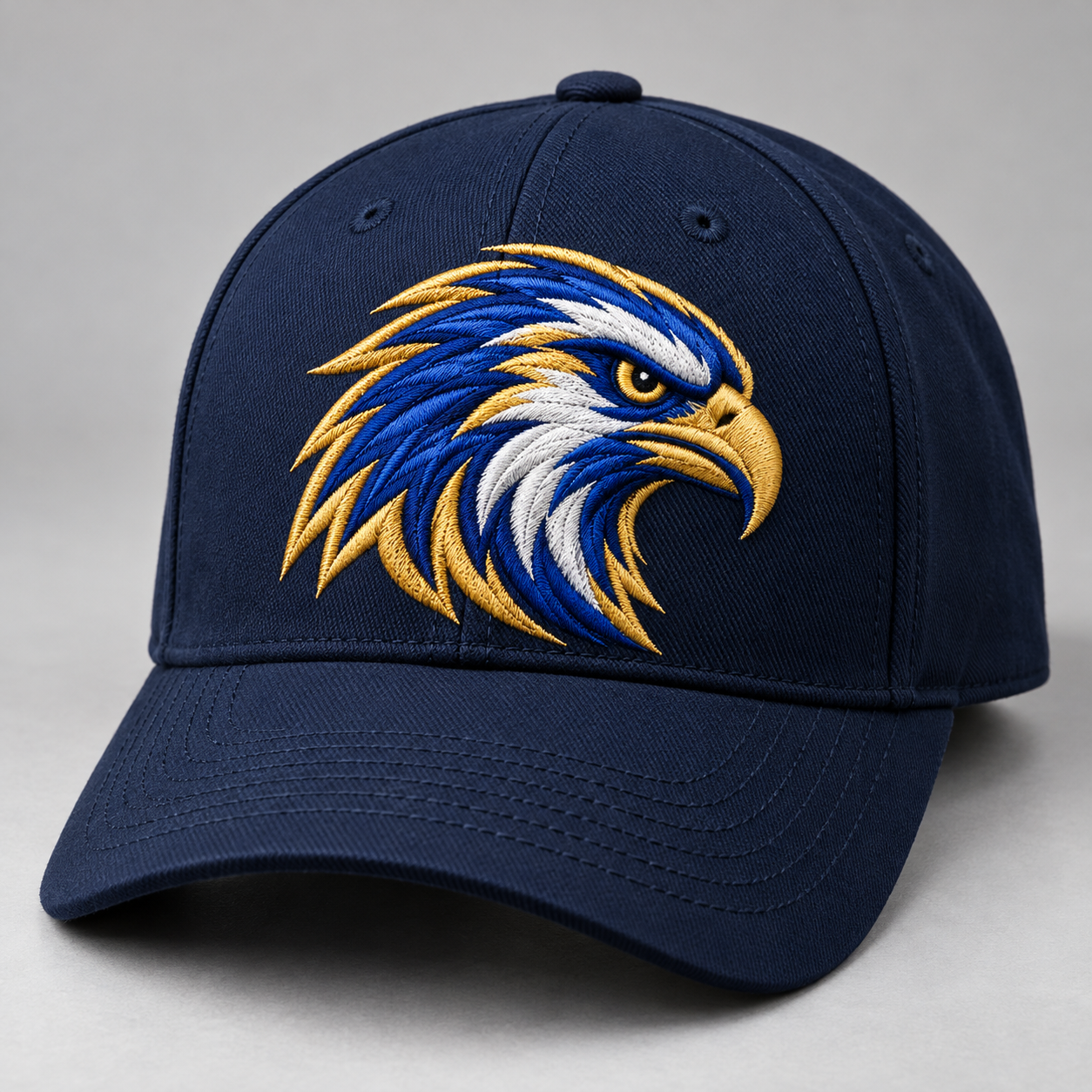
The curved surface of a cap affects how the design can be stitched. A centre seam may introduce further difficulty, particularly where lettering or narrow details cross it.Send your cap style and intended embroidery dimensions with the artwork. These details help us assess the placement before the file is prepared.
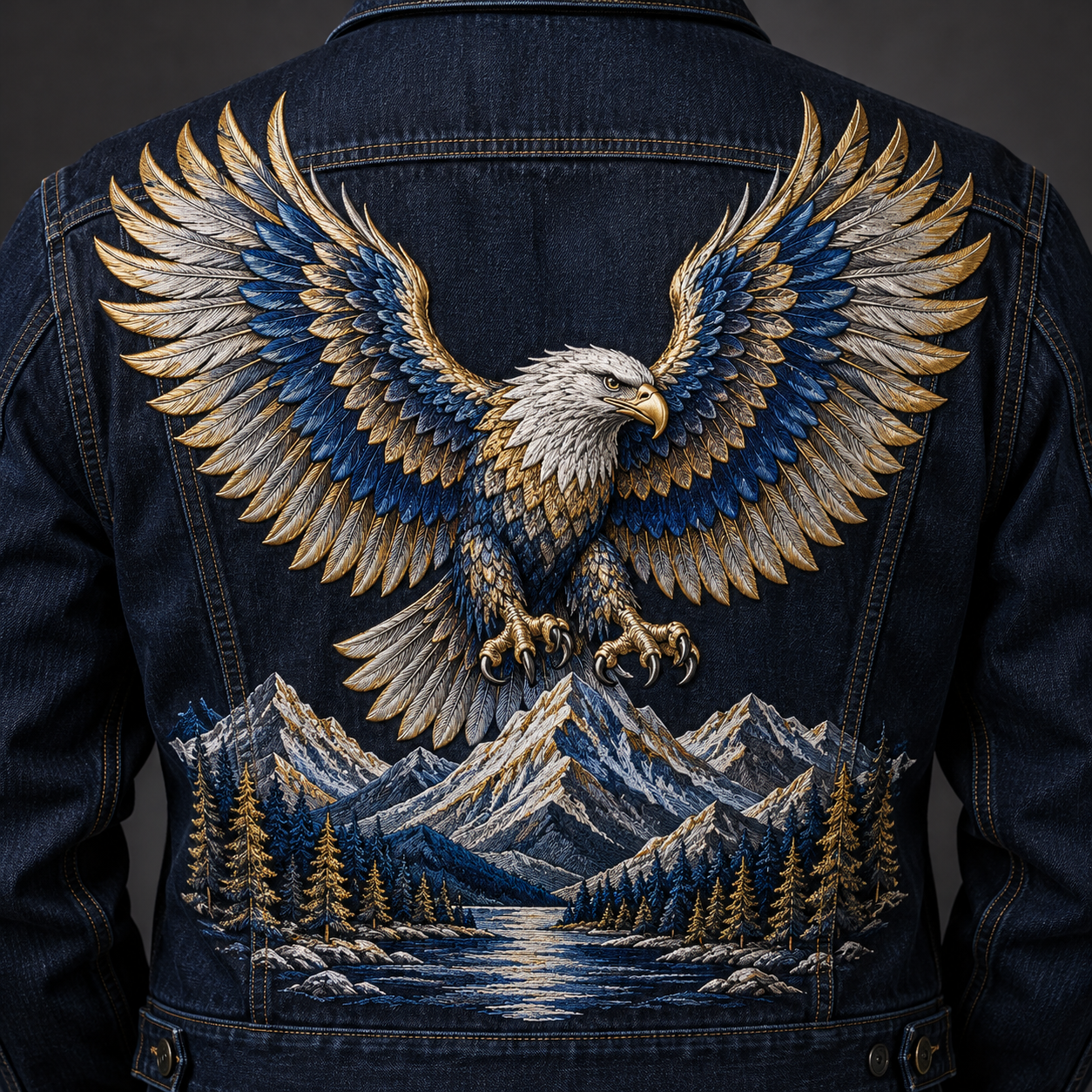
Jacket Back and Large Designs

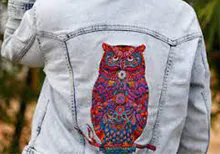
Larger embroidery gives artwork more space, although it also increases the area covered by stitches. Broad fills require careful planning to manage density and the direction of stitching. We digitize jacket back designs and larger graphics according to the available embroidery area. When artwork combines large fills with smaller lettering, each element is assessed separately.
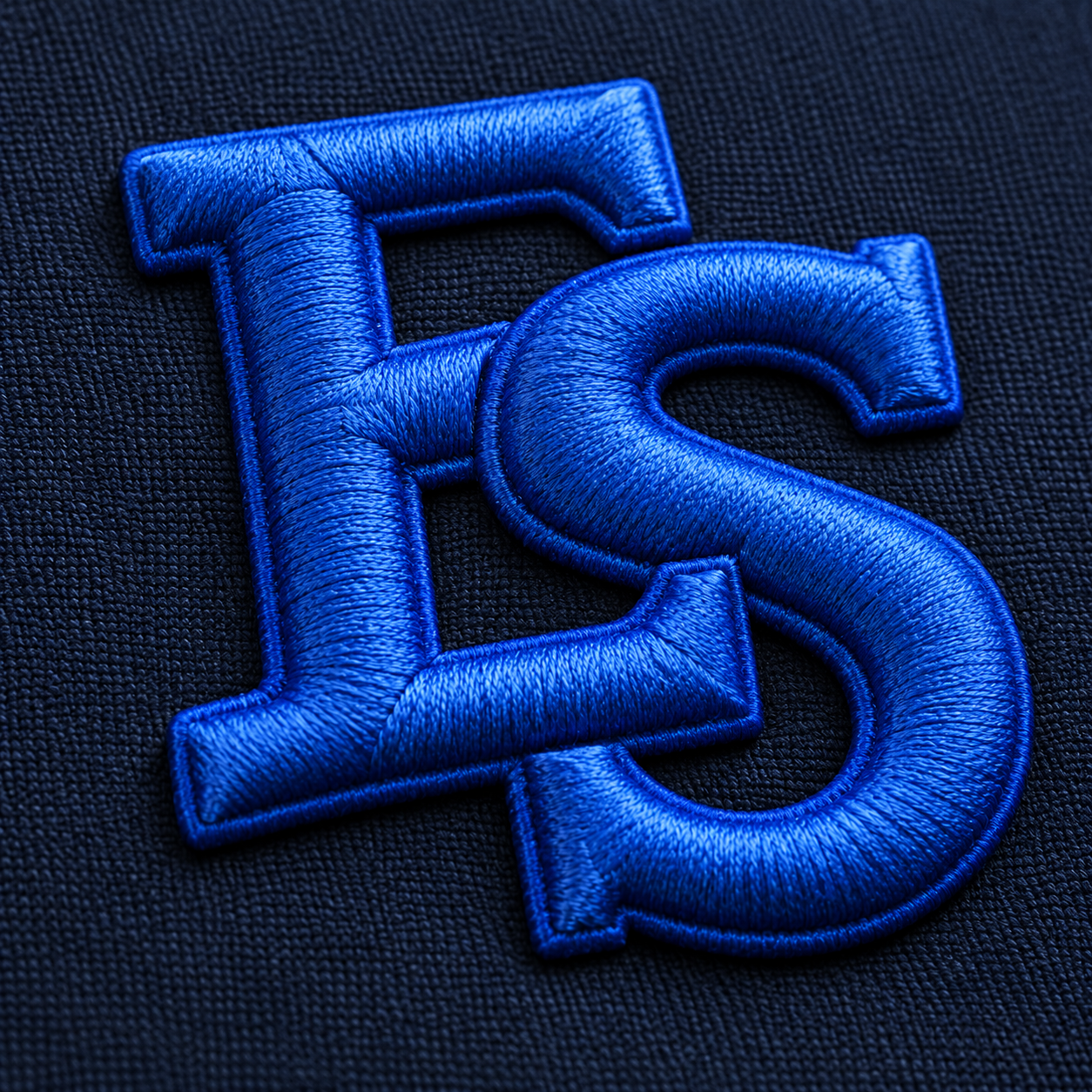
3D Puff Embroidery

Raised embroidery uses foam beneath selected stitches to create depth. Bold lettering and substantial shapes usually provide more suitable starting points than delicate artwork. We assess which parts of your design can support a raised finish. Where necessary, changes are proposed before digitizing.
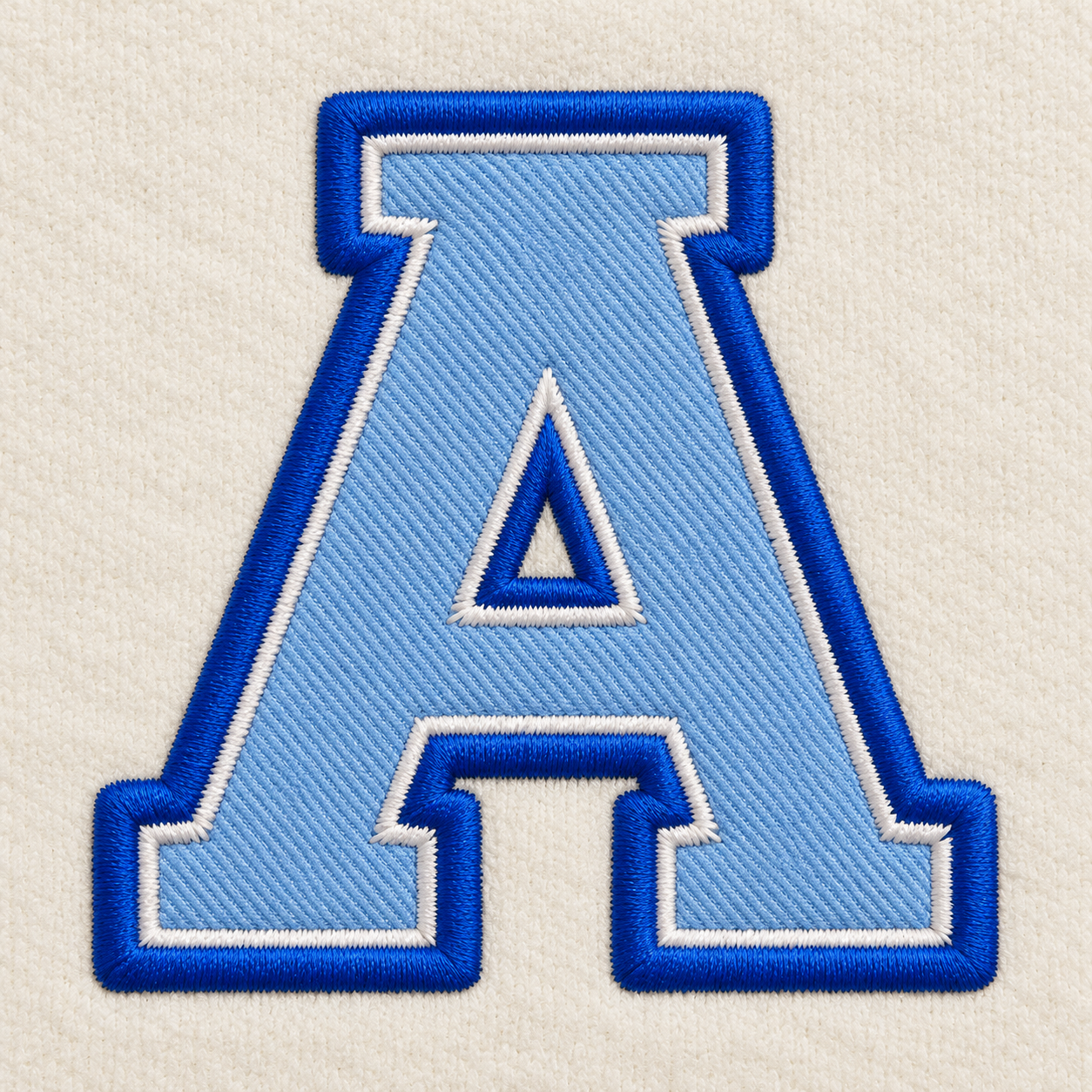
Appliqué Digitizing

Appliqué combines fabric pieces with embroidered edges. The file must account for the placement of the fabric and its attachment to the garment. Tell us how you intend to prepare your appliqué pieces. The digitizing requirements may differ according to your production method.
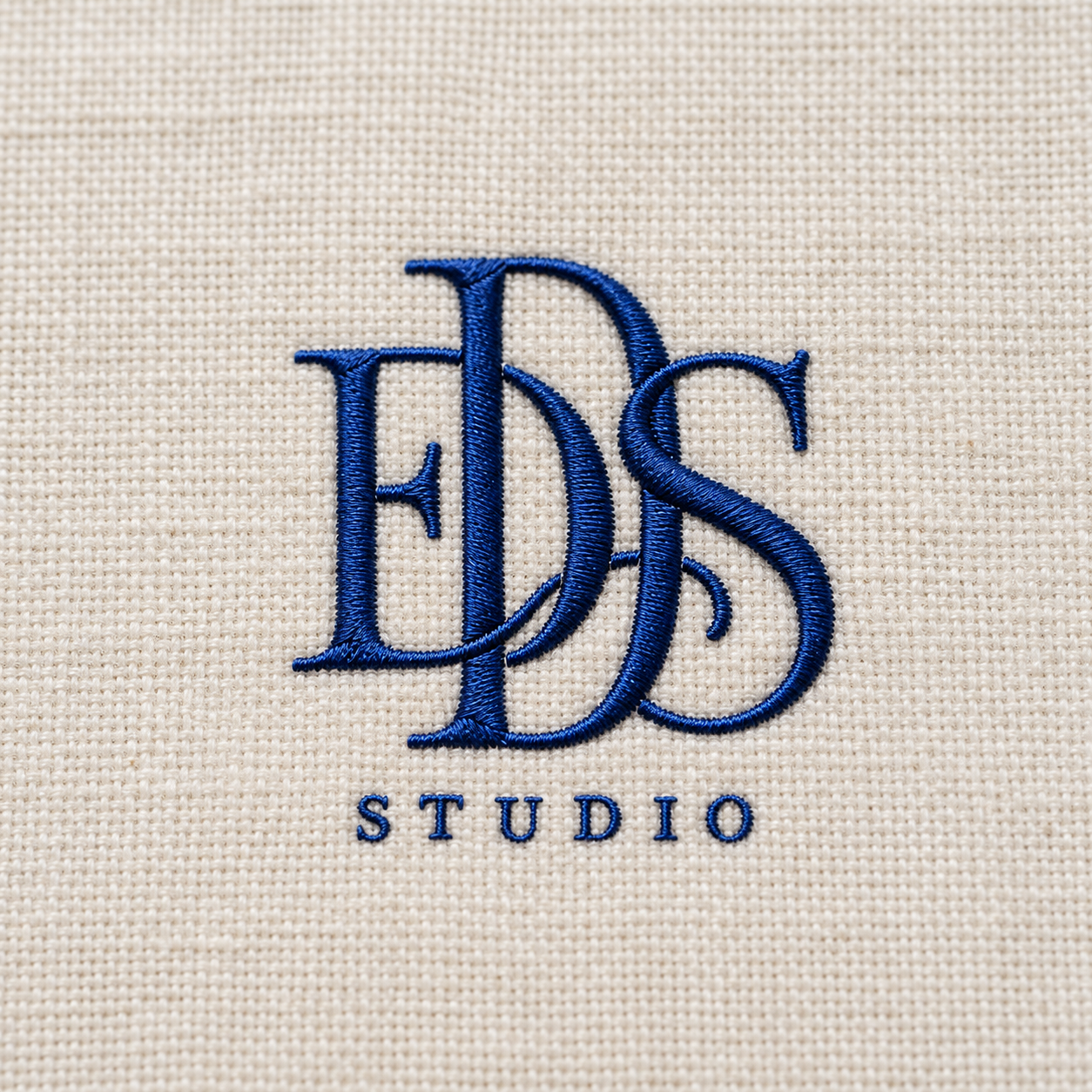
Small Lettering and Monograms

Readable small text depends on more than its height. Letter shape and spacing also affect the result, while fabric texture can obscure narrow details. We assess lettering at the requested embroidery size. If a word or character is unlikely to reproduce clearly, we explain the adjustment required.
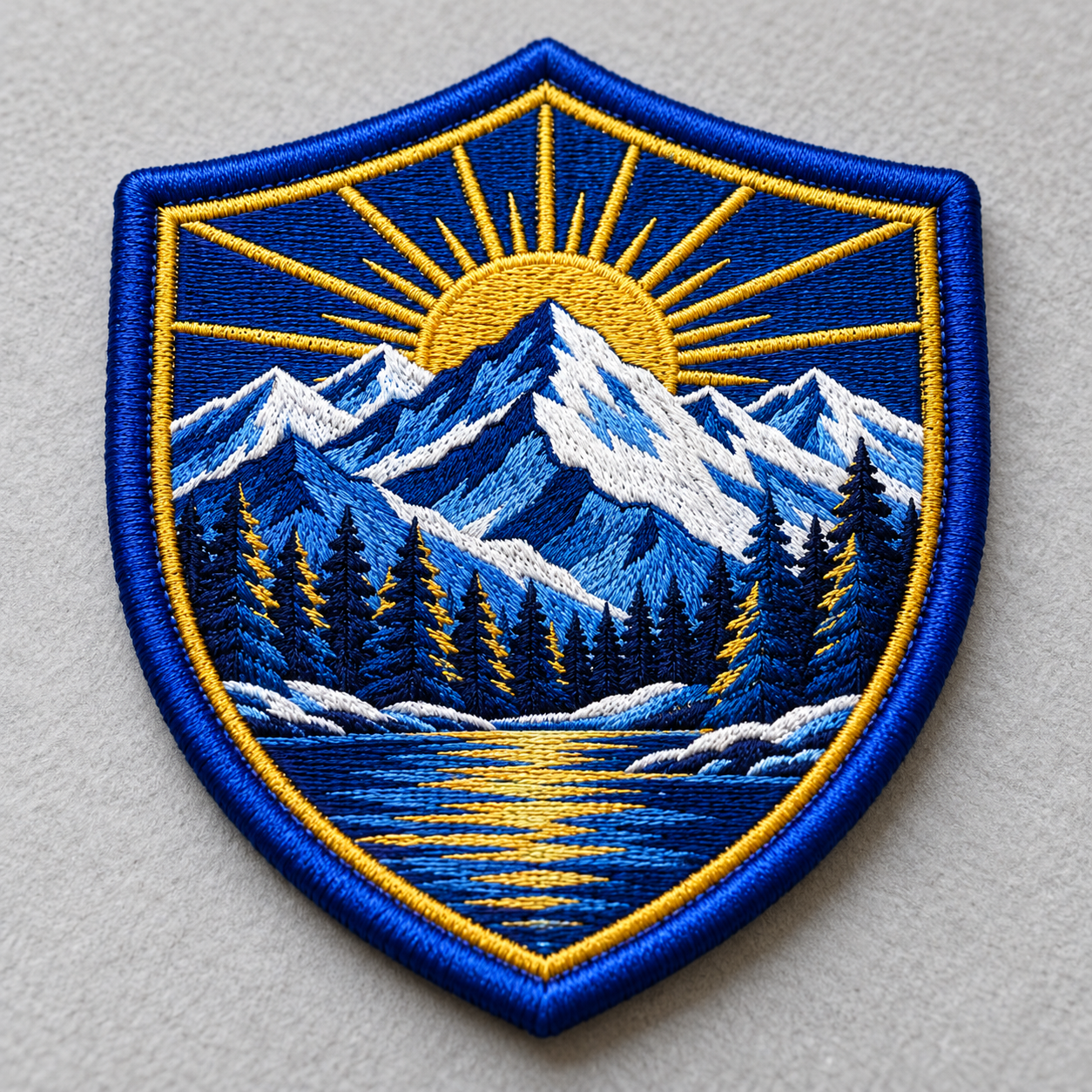
Patch and Badge Digitizing

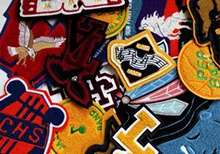
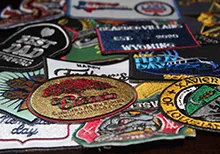
Patch designs require consideration of the base material and the intended edge finish. Lettering must remain legible within the available space. Provide the finished patch dimensions and construction details when you submit your artwork. We use that information to plan the embroidered elements.
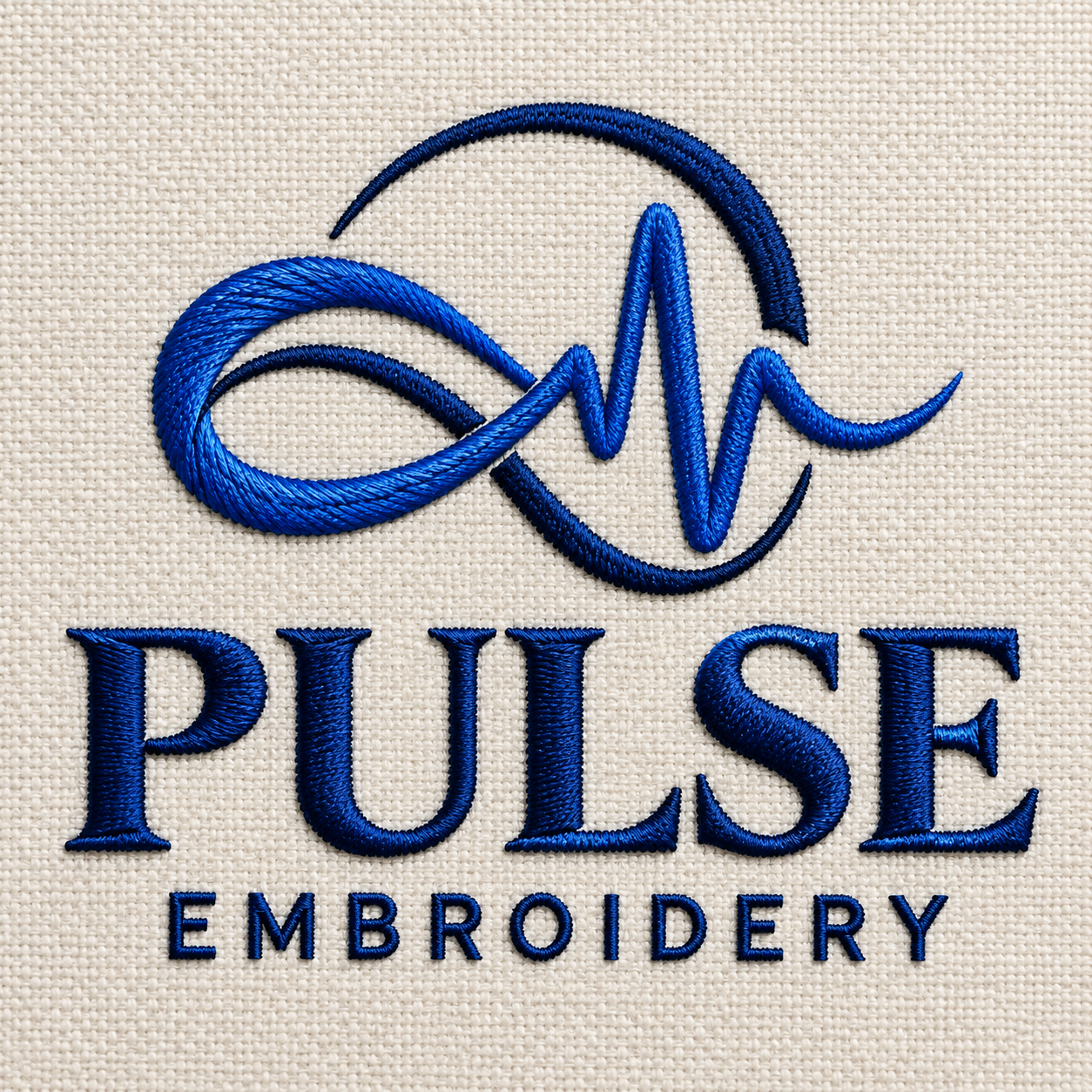
Pulse Embroidery (Native PXF)

We provide native PXF files for customers who use Pulse embroidery software. This editable format allows further adjustments to design objects and stitch settings within compatible software. Include your Pulse version and editing requirements with your artwork so file compatibility can be confirmed before work begins.
How Our Service Works

Send Your Artwork

Submit the clearest version of your design. Include the required embroidery dimensions and identify the garment or item. If you know your machine’s file format, add it to the request. Otherwise, provide the machine model so the required format can be confirmed.

$

Confirm the Scope and Price

We review the artwork against your requirements. Any detail that may need adjustment is discussed before work begins. Your fixed price and expected delivery time are confirmed at this stage. For urgent work, state the deadline when you submit the design.

DST

Receive Your Embroidery File

The artwork is digitized according to the agreed specifications and supplied in the confirmed machine format. Review the design at its intended size before production. A physical sample provides information that a screen preview cannot fully show.

Share Your Sample Results

Test the file on the intended material with your production setup. If changes are required, send a clear photograph and describe the problem. Free revisions are available. Changes to the original artwork or specifications should be discussed so the revised scope is clear.

What to Include With Your Request

Accurate project details reduce avoidable revisions. Please provide:

  • Your artwork at the best available resolution.

  • The finished embroidery width and height.

  • The fabric type and garment placement.

  • Your required machine format, if known.

  • Any thread colour references.

  • Your delivery deadline.

A photograph of the intended garment can also help explain the placement. If you have a previous embroidered sample, include it with a short description of what you would like changed.

Practical Decisions That Affect the Result

Detail at the Final Size

Artwork that appears clear on a monitor may contain elements too narrow for the intended embroidery size. Small gaps can close, and fine text can lose definition. We assess the design at its requested dimensions. Where detail needs revision, the proposed change should preserve the recognisable features of the artwork.

Fabric and Stitch Density

Different fabrics respond differently to embroidery. A settings choice suitable for firm material may produce a less satisfactory result on lightweight or stretch fabric. Density and underlay are considered in relation to the stated material. Your stabiliser and machine setup also influence the finished sample.

Stitch Order and Movement

The sequence of stitching affects how a design develops on the garment. Unnecessary movement between distant elements may introduce additional trims or jumps. The sequence is planned around the artwork and its placement. Stitch count alone does not establish whether a file is suitable for production.

Fixed Pricing and Clear Delivery Times

You receive a confirmed price before digitizing begins. The quotation reflects the artwork and the requested embroidery specifications. Same-day and rush service are available subject to the design requirements and current capacity. Please provide your actual production deadline so availability can be confirmed before you order.

See the Details Behind the Design

Customer Reviews

What Customers Say About Working With Us

Choosing a digitizing service involves trust. You are sharing your artwork and relying on the file to fit into your production process. Read feedback from customers who have worked with our team. Their experiences can help you understand our communication, service, and approach to revisions.

Frequently Asked Questions

What is embroidery digitizing?

Embroidery digitizing converts artwork into stitch instructions that an embroidery machine can read. The file tells the machine how to sew the design, including stitch types, direction, density, and sewing sequence.

Can I send a JPG or PNG image?

Yes. You can send a JPG or PNG for review. A clear image makes it easier to assess the artwork. If the image is blurry or missing important details, it may need cleanup before digitizing.

What file formats can you provide?

Common embroidery formats include DST, PXF PES, EXP, JEF, VP3, HUS, and others. The correct format depends on your machine and software. Tell us what you use so we can confirm the required file before starting.

What is the difference between an embroidery file and an image file?

An image file such as JPG or PNG displays the artwork. An embroidery file contains stitch instructions for a machine. A picture cannot normally be sent directly to an embroidery machine as a finished stitch file.

Can you digitize 3D puff designs?

Yes. 3D puff digitizing is intended for designs that use embroidery foam to create a raised effect. Bold lettering and simple shapes are often better suited to this method than tiny details. We can review your artwork before confirming the requirements.

What if my design has very small text?

Small text can be difficult to read when stitched. The result depends on the font, letter height, fabric, and stitch construction. We can review the artwork and advise whether the text may need to be enlarged or simplified.

What if my design does not stitch correctly?

The cause may relate to the digitizing, but fabric, stabilizer, needle, thread, hooping, and machine settings can also affect the result. If you have a problem, send us the file details and clear photos of the sew out. This helps us assess what may need adjustment.

Do I need to know my stitch count before ordering?

No. You can start by sending the artwork, finished dimensions, placement, and machine format. If you already know the stitch count, include it, but it is not necessary to request a quote.

Can you prepare files for more than one machine format?

Tell us which formats you need when requesting a quote. We will confirm which formats can be supplied for your order and whether any additional work is required.

How much does embroidery digitizing cost?

We use fixed pricing for the agreed work. The cost depends on the type of design and the service required. Send us your artwork and project details so we can confirm the price before work begins.

How long does digitizing take?

Turnaround depends on the design, the work involved, and the current workload. Same day and rush options may be available for qualifying orders. Tell us your deadline when requesting a quote so we can confirm the expected delivery time.

Do you offer free revisions?

Yes, revisions covered by the original order are free. If you change the artwork, request a different design, or substantially change the agreed size or requirements, the additional work may need a separate quote.

Can you digitize a logo for a cap and a shirt?

Yes, we can review designs for both applications. However, one file may not suit every garment. Caps have curved surfaces and seams, while shirts and jackets may use different fabrics and placements. Separate versions may be needed.

Can you make an appliqué embroidery file?

Yes. Appliqué digitizing includes stitch stages for fabric placement, securing the fabric, and finishing the edges. Tell us the design size, fabric details, and intended application when requesting a quote.

Can you resize an existing embroidery file?

We can review your file and the new dimensions. Small size changes may be manageable, but a significant change can require adjustments to stitch density, compensation, and construction. Simply scaling a file does not always produce a good result.

Will the final embroidery look exactly like my original artwork?

Not always. Thread behaves differently from ink or pixels. Fine lines, tiny gaps, gradients, and very small lettering may need to be simplified so the design works better in embroidery.

Can I order digitizing for a single design?

Yes. You can contact us about an individual design or ongoing work for your business. Share the details of your project so we can confirm the price and turnaround.

Can you work with copyrighted logos or team designs?

Please send artwork you own or have permission to use. If a design belongs to a business, sports team, or another rights holder, make sure you are authorised to reproduce it.

Ready to Get Your Design Digitized?

Send your artwork with the finished size and fabric details. We will assess the design and confirm the price, along with the expected delivery time.